
16 March 2026
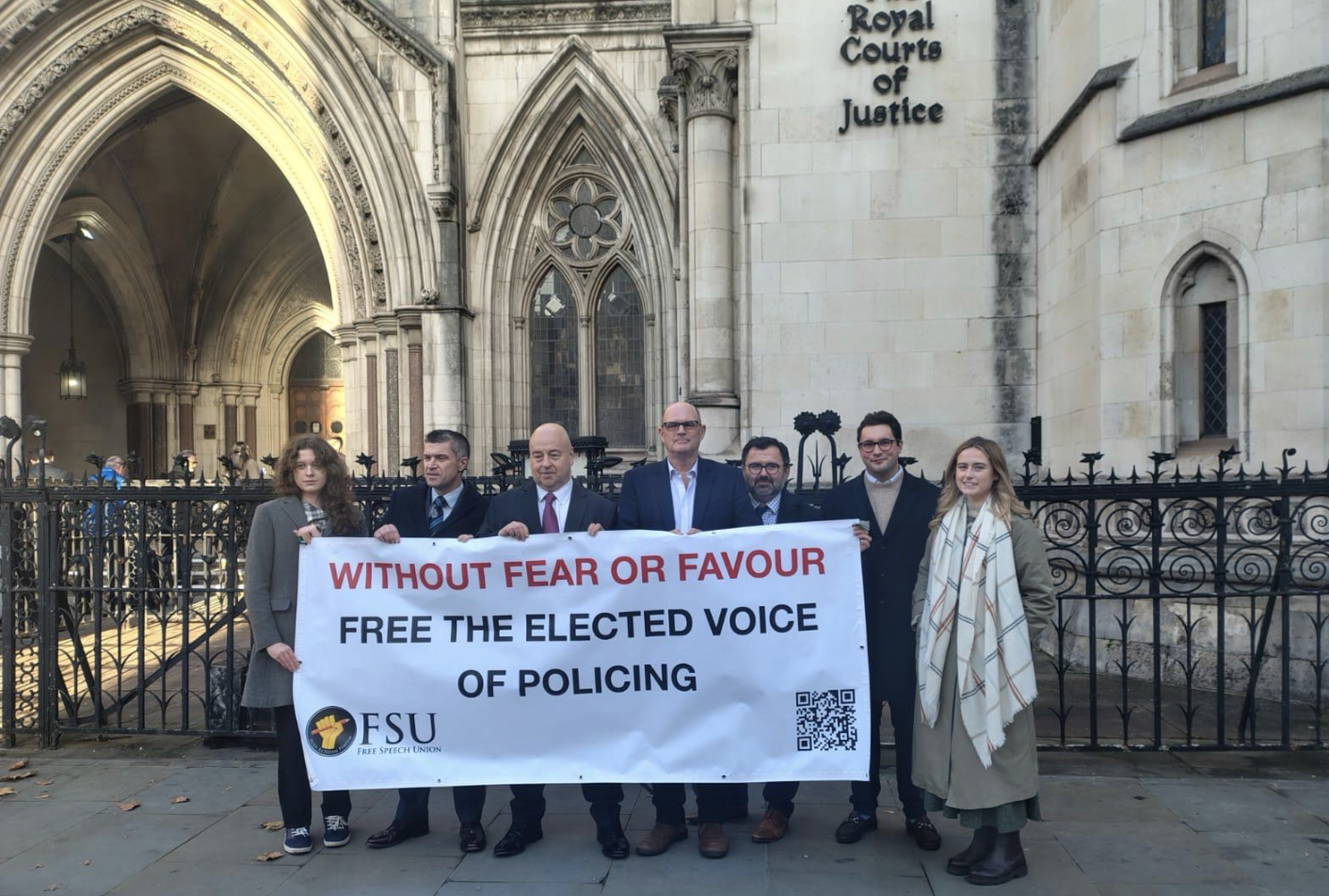
The Police Federation of England and Wales (PFEW) has dropped its legal challenge against a High Court ruling which found that two police officers had been unlawfully treated.
In January, the High Court ruled that the PFEW acted unlawfully in suspending PC Rick Prior and PS Richard Cooke — two democratically elected Federation chairs — and banning one of them from seeking re-election over remarks made on GB News and social media.
Rick Prior was elected to represent the views of 30,000 rank-and-file officers. He was suspended in October 2024 after warning in a GB News interview that some officers are increasingly concerned about challenging certain ethnic minorities for fear of vexatious complaints and being branded racist.
Richard Cooke, the former chair of the West Midlands Police Federation, was suspended and barred from standing for re-election after challenging claims on social media that the police are institutionally racist. He was also required to undergo Diversity, Equality and Inclusion training.
The High Court ruled that the treatment of both men was unlawful. Judges found the actions of the Police Federation to be unjustified, disproportionate and in breach of their Article 10 rights under the European Convention on Human Rights.
The Court also emphasised the importance of elected representatives being able to comment on matters of public interest, including race relations, policing standards and officer confidence. These officers did exactly that — and were punished for it.
Despite the ruling, the PFEW initially sought to challenge the judgment. However, it has now dropped the legal challenge, days after its Chief Executive, Mukund Krishna, was arrested and suspended as part of an unrelated corruption investigation.
The Free Speech Union was proud to support PC Prior and PS Cooke throughout the process. The ruling represents an important reaffirmation of the right of elected police representatives to speak freely and to represent the views of the rank-and-file officers they serve.
Read more in The Telegraph.