
Labour MPs plotting to “kill off” jury trial reforms
10 April 2026
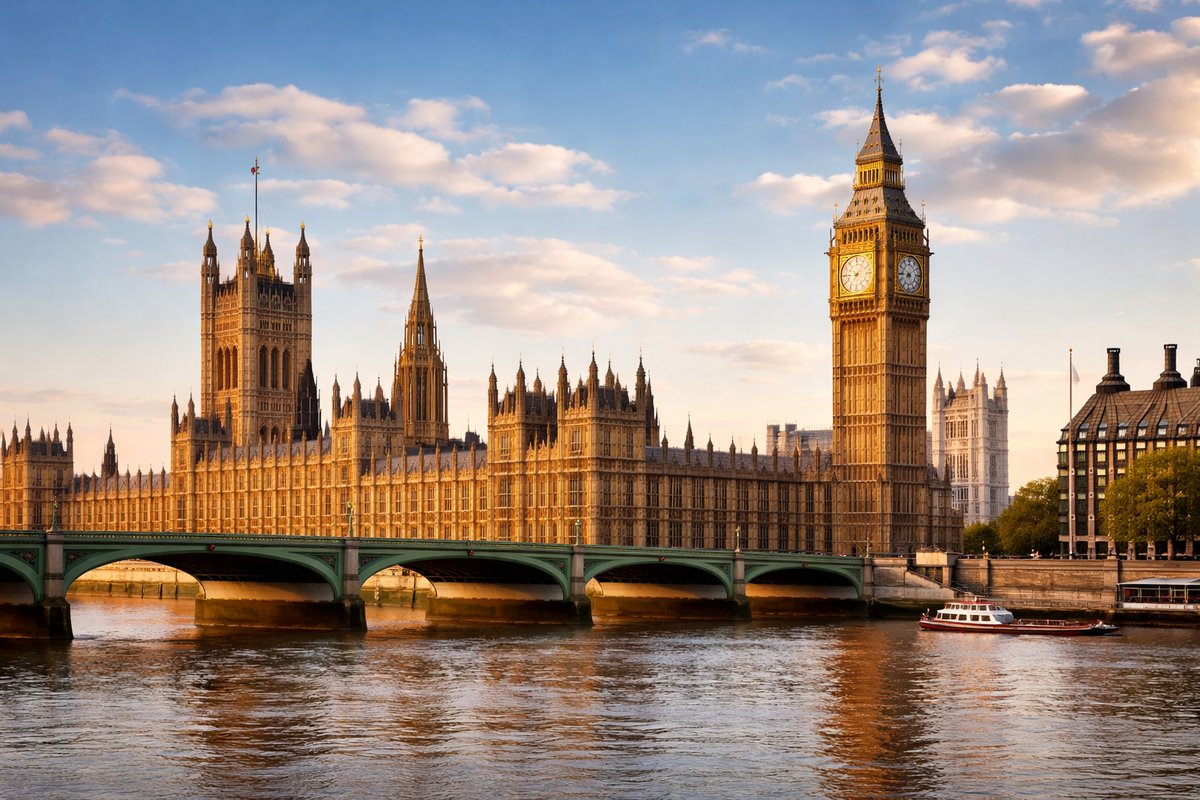
As many as 90 Labour MPs are plotting a rebellion against the controversial reforms proposed by the Deputy Prime Minister and Justice Secretary, David Lammy, which would significantly curtail the ancient right to trial by jury.
The MPs have tabled an amendment to the Government’s Courts and Tribunals Bill, which contains measures that would limit access to jury trials. They have indicated that they will push the amendment to a vote in the House of Commons if the Government refuses to accept it. When MPs return from recess on Monday, they are expected to lobby colleagues intensively.
The amendment proposes the introduction of specialist rape courts — as promised in Labour’s 2024 General Election manifesto — which would include both a jury and a specialist judge. Crucially, it would also remove the government clauses that would “restrict jury trials”. As it stands, Lammy’s proposals would almost halve the number of cases heard before a jury: defendants facing a maximum prison sentence of less than three years would no longer be able to elect for a jury trial, with their cases instead heard by a judge alone or by magistrates.
The proposal is currently before a committee of MPs for consideration, with its supporters adamant they will force a vote in the Commons. It is now seen as one of the main routes to “kill off” the Government’s plans to curb what many regard as a longstanding and fundamental constitutional right.
Opposition to the reforms has been broad and growing. The Lady Chief Justice, Baroness Carr, has raised serious concerns. The Chair of the Bar Council, Kirsty Brimelow KC, has been a fierce critic. And now a substantial bloc of the Government’s own MPs appears ready to push back.
Particularly significant is the FSU’s own research, which finds that individuals charged with speech-related offences are almost twice as likely to be found not guilty in a Crown Court with a jury than in a magistrates’ court without one. Under Lammy’s reforms, it is clear that more individuals will be imprisoned for speech-related offences — a deeply troubling prospect.
The amendment has been tabled in the name of Labour MP Charlotte Nichols. Last month, Ms Nichols waived her right to anonymity to reveal that she had been raped and criticised the Justice Secretary for “weaponising” rape victims to justify his reforms. She has said:
“My amendment seeks to get the government to make good on the promise in our manifesto of specialist rape courts. We know that it’s that which will help ensure timely justice and that complainants and witnesses have the support to give their best evidence — reducing victim attrition in the process and re-traumatisation as far as possible.”
The Chair of the Bar Council of England and Wales, Kirsty Brimelow KC, has added her voice to the growing chorus of opposition:
“The government should do what it pledged in its 2024 manifesto and prioritise those cases of vulnerable people through a specialist court that would retain a jury and focus on sexual offences and domestic abuse cases. We all want to see an end to delays for victims, complainants and defendants so we should focus on what we know will work rather than hacking away at a constitutional cornerstone which reflects community participation in justice.”
This latest rebellion is the most significant challenge yet to the Government’s plans. Earlier this year, the Labour Party suspended Karl Turner MP, who had been leading backbench opposition, in what many saw as an act of political intimidation. The Government has also already reneged on a promise made to rebels, raising further doubts about ministers’ willingness to engage in good faith.
With the All-Party Parliamentary Group on Freedom of Speech having already held a roundtable on the reforms — bringing together MPs, senior lawyers, and civil liberties advocates — there is now a genuine parliamentary coalition forming to defeat these plans. The question is whether the Government will blink, or whether it will risk the political cost of forcing through a deeply unpopular reform that even its own MPs believe betrays a manifesto commitment.
Further details have been reported in The Times.
Jury trials protect the wrongly accused — help us defend them.
The FSU is campaigning to protect the right to trial by jury. Our research shows that individuals charged with speech-related offences are almost twice as likely to be acquitted in a Crown Court with a jury. Join 49,000 members. From £29.99/year.
Join the FSU Today