Censored poet and FSU member Polly Clark fights back
18 April 2026
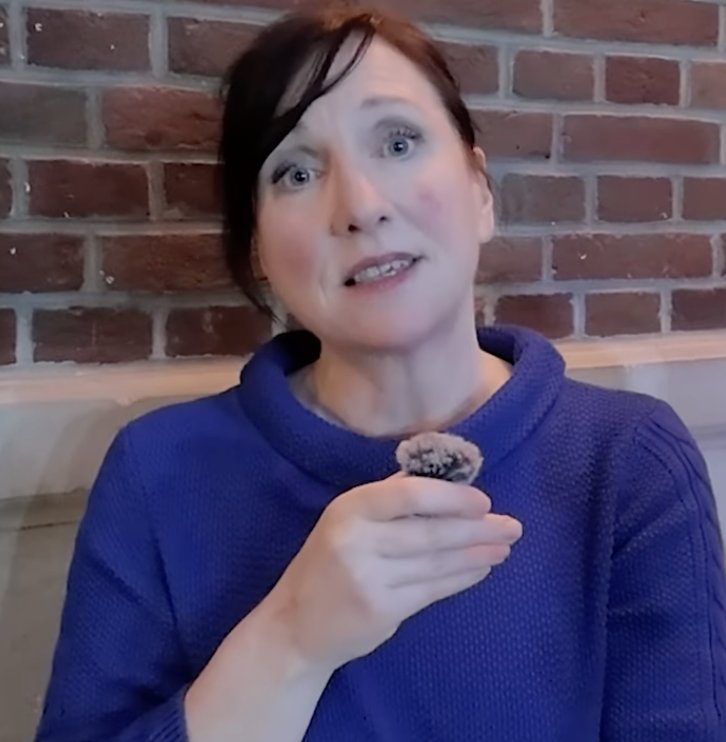
FSU member, novelist and T.S. Eliot Prize-shortlisted poet Polly Clark recently featured in one of our Member Testimonial videos – a new series highlighting the stories of members who have been silenced. Since then, Polly’s story has proved even more shocking than it first appeared.
Polly spoke about her book, Afterlife: New and Selected Poems, which was selected by the prestigious Scottish literary magazine Gutter as its Book of the Month. The book received a rave review on Gutter’s website, where it was described as ‘funny, feminine and violent; confessional yet mysterious’. The review was published, yet within days it disappeared.
Polly rightly asked why her work – after receiving such praise – was no longer visible. When pressed, Gutter told her publisher: ‘A reader drew our attention to social media posts (completely unrelated) by Polly Clark that they considered to be offensive.’ Gutter added that it is a ‘welcoming publishing space’, including for trans writers, and that promoting Ms Clark ‘risked undermining this goal’. Polly raised the issue with both Gutter and Creative Scotland – which funds the magazine – but neither has agreed to reinstate the review or explain its removal.
The Free Speech Union, alongside Freedom in the Arts, supported Polly throughout and assisted her in submitting a Subject Access Request (SAR). In her latest Substack article, Polly explains what happened next and reveals what she uncovered through the SAR.
The SAR showed that the sole complaint made about her consisted of a private message referring to Polly’s social media posts, accompanied by screenshots that did not substantiate the claims. These claims were never tested, and Polly was not contacted. The accusation was acknowledged, met with a heart emoji, and acted upon.
Polly’s work was censored for holding lawful gender-critical views protected under the Equality Act 2010. Given what appeared to be a clear case of discrimination based on her gender-critical beliefs, Polly considered legal action. However, although her beliefs are protected under the law, she discovered that she herself is not: ‘Neither employee nor “service user”, I fall outside the limited categories through which such discrimination can be litigated. Censorship of this kind remains a moral and cultural offence rather than a legal one. Of course, that makes it no less real.’
As Polly says, the treatment she received ‘raises fundamental questions about free speech, compliance with the law, and decisions made without scrutiny or accountability’. Far too often, writers are censored because someone has taken offence at their work and lawful views. In this case, it is almost certainly due to Ms Clark’s gender-critical views – which are protected under the Equality Act 2010 and reaffirmed by the Supreme Court’s landmark ruling last April.
Cancelled for your lawful views?
The Free Speech Union supported Polly throughout — and we can do the same for you. Join over 45,000 members and let us stand up for your right to hold and express lawful beliefs. From £29.99/year.
Join the FSU Today