
University of Sunderland accused of muzzling an academic over his views on assisted dying
2 September 2026
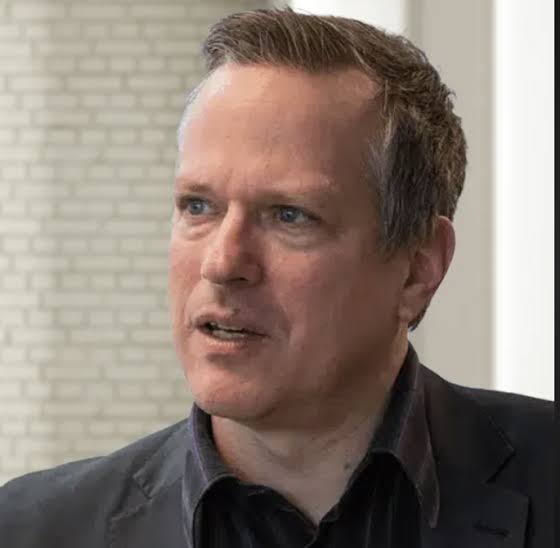
Assisted dying has been at the forefront of social and public debate for several years now, as MPs debate whether to legalise the practice. Views on both sides are strong and impassioned — many of them deeply personal.
It has now come to light that a university has formally warned an academic over his social media posts opposing assisted dying.
Emeritus Professor of History at the University of Sunderland, Dr Kevin Yuill has accused the University of Sunderland of a "Kafkaesque" attack on free speech after he was sent a warning letter by one of its executives. Speaking to The Telegraph, Dr Yuill described the university's letter as a "veiled threat" that, he said, sends a dangerous message that could chill academic freedom, and added: "It's an outrageous thing for them to do."
Dr Yuill was told, in June, to "reflect carefully" on the use of his emeritus title, after the university received a complaint about the "tone and nature" of his social media presence, which he has used to campaign against assisted suicide. In emails seen by The Telegraph, the university stated that the title "carries an expectation that its use does not adversely affect the institution or conflict with its core values, including respect and responsible public discourse."
What is most alarming is that the university did not initially tell Dr Yuill what the complaint concerned. This is sadly not an isolated case: many academics are left anxious, wondering what supposed "crime" they have committed when they receive ominous letters from senior management. It is reported in The Telegraph that Dr Yuill, who is chief executive of Humanists Against Assisted Suicide and Euthanasia, was not initially permitted to see the complaint, on the grounds that it was "submitted by a private individual and contains that individual's personal and sensitive information."
The university also claimed he was causing "reputational damage" to Sunderland by "weaponising his public platform," and that his advocacy against assisted suicide meant he lacked the "objectivity expected of a university academic."
At the Free Speech Union, we all too frequently see institutions and employers accuse their employees or associates of bringing them "into disrepute" simply because they disagree with their legitimate and lawful views. This has been a major threat to free speech and academic freedom in recent years. Academics and private citizens should not be intimidated for sharing their lawful beliefs.
Lawyers representing Dr Yuill argue that his beliefs are protected under the university's code of practice on freedom of speech and academic freedom, the Equality Act 2010, and the Higher Education (Freedom of Speech) Act 2023.
Dr Yuill said: "I'm hoping it will make them think twice before reacting to complaints of a similar nature, so my hope is it will be a bit of a lesson for them, which is why I've gone full on with this whole thing."
"Not because it's a threat to me, but for younger colleagues who are in paid positions, I don't think it's in anybody's interest to have Sunderland censoring their ideas or even pushing them to self-censor their ideas."
The debate over assisted dying has been one of the most prominent political and moral debates of recent years, with strongly held views on both sides. The Bill returns to the House of Commons for its second reading this month, on Friday 11 September, and will once again attract considerable attention.
It is deeply concerning that an academic institution would issue what appear to be subtle threats to an associate because he holds a particular view on a major moral, ethical, and societal question.
Freddie Attenborough of the Committee for Academic Freedom has also described the case as concerning: "Academic freedom means little if academics have to worry that expressing controversial views within the law might put their institutional status or privileges at risk."
He added: "Universities should be protecting the space for those disagreements, not adding institutional pressure to one side of them."
Universities should be bastions of free and open debate — not institutions that pressure academics to self-censor because someone has complained about their lawful views.
Read more in The Telegraph.
Could your views cost you your job or title?
The FSU stands with academics facing institutional pressure for lawful, controversial views. Join 45,000 members. From £29.99/year.
Join the FSU Today